

With an estimated 33% of U.S. dogs now receiving a daily supplement, knowing which ingredients actually matter is more important than ever. If you are searching for the best multivitamin for dogs, you likely want to support your pup’s energy, coat, and longevity without wasting money on products that overpromise and underdeliver. This guide walks you through exactly what a quality multivitamin should contain, which dogs benefit most, and how to avoid the common pitfalls that leave well-meaning owners with cabinets full of ineffective chews. By the time you finish reading, you will know whether your dog is a candidate for daily supplementation and what to look for on the label before you buy.
Table of Contents
- Do Dogs Really Need a Multivitamin? Understanding Nutritional Gaps
- 5 Signs Your Dog Might Have a Nutritional Deficiency
- Key Ingredients in the Best Multivitamin for Dogs
- Choosing the Right Multivitamin by Life Stage
- Common Mistakes Dog Owners Make When Choosing a Multivitamin
- How to Choose a Quality Multivitamin (Buyer’s Checklist)
- Introducing Meadows and Mutts 25-in-1 Multivitamin
- Frequently Asked Questions (FAQ)
- Conclusion
Do Dogs Really Need a Multivitamin? Understanding Nutritional Gaps
Most commercial dog foods sold in the United States carry an AAFCO statement declaring the formula complete and balanced for a specific life stage. In theory, that means your dog should receive every essential vitamin and mineral from their regular meals. In practice, the story is more complicated. Heat processing during kibble manufacturing degrades certain heat-sensitive nutrients, including several B vitamins and vitamin E. Storage conditions, shipping delays, and the length of time a bag sits on a shelf all further reduce nutrient potency before the food ever reaches your dog’s bowl.
Beyond manufacturing realities, individual dogs face unique nutritional demands that a one-size-fits-all kibble formula cannot fully address. Dogs eating homemade or raw diets are the most obvious candidates for supplementation, since balancing calcium, phosphorus, trace minerals, and fat-soluble vitamins without professional formulation is notoriously difficult. Senior dogs represent another high-need group because aging bodies absorb nutrients less efficiently, even when the diet itself is adequate. Dogs with chronic digestive disorders, food sensitivities, or inflammatory skin conditions often struggle to extract full nutrition from their meals and may benefit from targeted support.
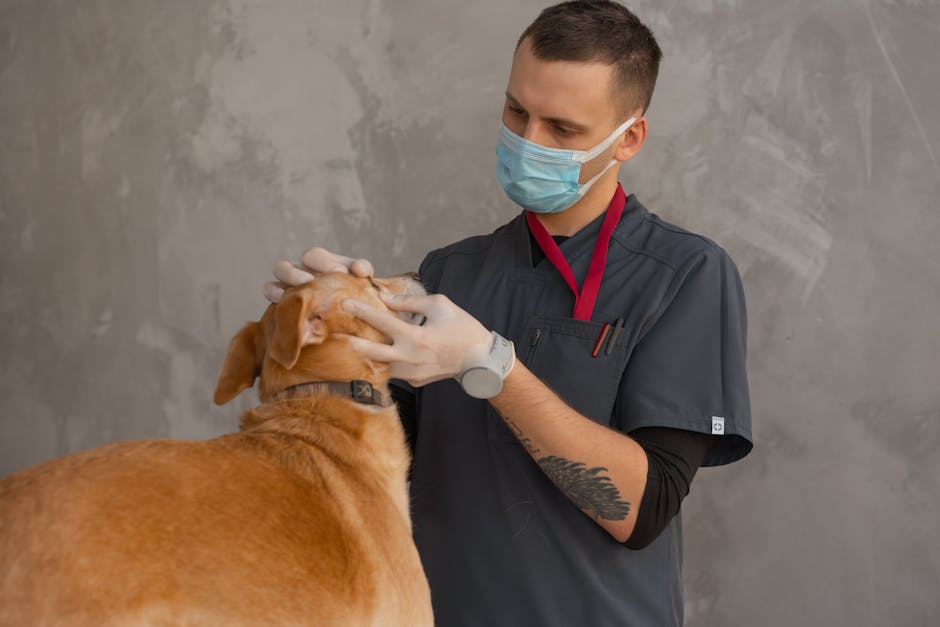
There is a persistent belief among dog owners that feeding a premium, high-priced food eliminates the need for supplements. While ingredient quality certainly matters, even the most thoughtfully sourced kibble cannot deliver live probiotics after high-heat extrusion, nor can it provide therapeutic levels of omega-3 fatty acids without risking rancidity during storage. This is where a well-formulated multivitamin fills genuine gaps rather than duplicating what the diet already provides.
One critical point that most supplement guides overlook is the regulatory landscape. The FDA does not regulate pet supplements with the same rigor applied to pharmaceuticals. This means manufacturers bear the responsibility for safety, labeling accuracy, and ingredient potency. Without mandatory pre-market approval, the market contains products with inaccurate guaranteed analyses, undisclosed fillers, and occasionally contaminants. Choosing a brand that voluntarily submits to third-party auditing, such as those carrying the National Animal Supplement Council (NASC) quality seal, is not just a nice bonus. It is the single most reliable shortcut to identifying a product that actually contains what the label claims.
5 Signs Your Dog Might Have a Nutritional Deficiency
Nutritional gaps do not always announce themselves dramatically. They tend to show up as subtle, persistent issues that owners may attribute to environment, age, or breed quirks. Recognizing these signs early can help you address deficiencies before they become entrenched health problems.
A dull, brittle coat or excessive shedding that continues year-round often points to insufficient omega-3 fatty acids or vitamin E. These nutrients work together to support the skin barrier and regulate inflammation. When they run low, the coat loses its luster and the skin may become flaky or irritated.
Low energy or unexplained lethargy, especially in an otherwise healthy adult dog, can signal a shortfall in B-complex vitamins or iron. B vitamins are essential cofactors in energy metabolism, and even a marginal deficiency can leave a dog sluggish and uninterested in activities they normally enjoy.

Digestive disturbances like chronic gas, loose stools, or intermittent diarrhea frequently indicate an imbalance in gut bacteria that probiotics and digestive enzymes can help correct. If your dog’s digestion seems perpetually fragile despite a consistent, high-quality diet, the microbiome may need reinforcement.
A weak immune system often manifests as recurrent ear infections, skin hot spots, or slow wound healing. Zinc, selenium, and vitamins A and E all play direct roles in immune function. When these nutrients are suboptimal, the body’s first line of defense falters.
Joint stiffness, difficulty rising after rest, or reluctance to climb stairs are classic senior dog complaints, but they can appear in younger dogs with conformational challenges or high-impact activity levels. These signs often correlate with insufficient glucosamine precursors, vitamin D, and anti-inflammatory omega-3s.
These symptoms can also indicate underlying medical conditions unrelated to diet. Always consult your veterinarian before starting a new supplement, especially if symptoms appear suddenly or worsen rapidly.
Key Ingredients in the Best Multivitamin for Dogs
A truly comprehensive multivitamin goes far beyond a basic vitamin pill. The most effective formulas combine several categories of active ingredients that work synergistically to support whole-body health. Understanding each category helps you evaluate products with confidence.
Core Vitamins and Minerals
Vitamin A supports vision, immune competence, and cellular growth. In dogs, it must come from animal sources like liver or fish oil, since canines convert beta-carotene from plants inefficiently. The B-complex family, including thiamine, riboflavin, niacin, B6, and B12, drives energy metabolism at the cellular level and supports nervous system health. Vitamin D3 regulates calcium absorption and bone mineralization, but it demands respect. Unlike water-soluble vitamins that the body excretes when consumed in excess, vitamin D is fat-soluble and accumulates over time. Excessive intake can cause hypercalcemia, leading to kidney damage and soft tissue calcification.
Vitamin E functions as the body’s primary fat-soluble antioxidant, protecting cell membranes from oxidative damage. It works closely with selenium, a trace mineral that supports thyroid function and glutathione production, one of the body’s master antioxidants. Zinc is indispensable for skin integrity, wound healing, and immune cell function, while iron drives red blood cell production and oxygen transport.
Toxicity thresholds deserve more attention than most guides give them. Vitamin D toxicity in dogs can occur at doses far lower than what human supplements contain, which is one reason human multivitamins should never be shared with pets. Iron overdose damages the gastrointestinal lining and can progress to liver failure. A quality canine multivitamin formulates these minerals at safe, species-appropriate levels and provides clear dosing instructions based on body weight.
Probiotics and Digestive Enzymes
A multivitamin is only as good as a dog’s ability to absorb it. That is why leading formulations now include probiotics, the live beneficial bacteria that colonize the gut and support digestion, immune modulation, and even mood regulation through the gut-brain axis. Look for a product that lists the specific strains included and guarantees colony-forming units (CFUs) at the time of expiration, not just at manufacture.
Prebiotics, typically in the form of inulin or chicory root fiber, serve as fuel for those beneficial bacteria. A formula that pairs probiotics with prebiotics creates a more resilient digestive environment than either component alone. Digestive enzymes such as protease, amylase, and lipase further assist by breaking down proteins, carbohydrates, and fats, reducing the digestive workload on a dog’s system and improving nutrient extraction from every meal.
Omega Fatty Acids (Omega-3 and Omega-6)
Omega-3 fatty acids, particularly the long-chain forms EPA and DHA found in fish oil, are among the most researched and broadly beneficial supplements in veterinary medicine. They reduce systemic inflammation, support cognitive function, lubricate joints, and directly improve skin barrier health. DHA is especially critical for puppies, where it contributes to brain and retinal development.
Plant-based omega-3 sources like flaxseed oil contain alpha-linolenic acid (ALA), which dogs must convert into EPA and DHA through an enzymatic pathway that is notably inefficient in canines. Marine-sourced fish oil, green-lipped mussel, or algal oil provide preformed EPA and DHA that the body can use immediately. A multivitamin that relies solely on flaxseed for its omega-3 content is delivering far less functional benefit than its label might imply.
Antioxidants and Superfoods
Oxidative stress accumulates with age, environmental toxin exposure, and chronic inflammation. Antioxidants neutralize free radicals before they can damage cellular structures, making them particularly valuable for senior dogs and those with inflammatory conditions. Blueberries, turmeric, and spinach are common whole-food antioxidant sources included in premium multivitamins.
Vitamin C occupies an interesting position in canine nutrition. Unlike humans, dogs synthesize their own vitamin C in the liver, so they do not require a dietary source under normal circumstances. However, during periods of stress, illness, or advanced age, endogenous production may not keep pace with demand, and supplemental vitamin C can provide additional antioxidant support.
A rising trend worth watching is the inclusion of functional mushrooms like turkey tail, reishi, and shiitake in canine supplements. Turkey tail contains polysaccharopeptides that modulate immune function, while reishi offers adaptogenic properties that help the body respond to stress. These ingredients remain niche in the broader market, but their presence in a formula signals a manufacturer paying attention to emerging research rather than simply copying competitor labels.
Choosing the Right Multivitamin by Life Stage
A puppy, an active adult, and a senior dog have fundamentally different nutritional priorities. The best multivitamin for dogs is one that aligns with the specific biological demands of the life stage in front of you.
Best Multivitamin for Puppies (Growth and Development)
Puppyhood is a period of extraordinary growth that demands precise nutritional ratios. Calcium and phosphorus must be present in the correct proportions, typically between 1.1:1 and 1.4:1, to support skeletal development without accelerating growth too rapidly in large-breed puppies, which increases the risk of developmental orthopedic disease. If your puppy already eats a balanced commercial diet formulated for growth, adding a multivitamin with high calcium content could push these minerals out of balance. This is the life stage where veterinary guidance is most critical before supplementing.
DHA deserves special attention during puppyhood. This omega-3 fatty acid accumulates in the brain and retina during late gestation and the first several months of life, directly influencing cognitive development and visual acuity. A puppy-appropriate multivitamin should prioritize DHA from fish oil or marine sources. Probiotics are equally valuable for puppies, whose digestive systems are still establishing a stable microbiome and are prone to stress-induced loose stools during weaning, rehoming, and vaccination series.
Avoid giving adult-formula multivitamins to puppies. Adult formulas often contain higher levels of glucosamine and certain fat-soluble vitamins that growing bodies do not need and may not handle well.
Best Multivitamin for Adult Dogs (Maintenance and Energy)
Adult dogs in their prime years need a multivitamin focused on maintenance: immune resilience, coat condition, digestive regularity, and sustained energy. The broad spectrum of B vitamins becomes particularly relevant for active dogs who burn through these water-soluble nutrients during exercise and stress. A formula with moderate levels of antioxidants helps counter the daily oxidative wear and tear that accumulates even in healthy, active bodies.
Adult dogs on rotation diets, where the owner switches between protein sources or brands to reduce allergy risk and provide variety, may benefit from a consistent multivitamin baseline that smooths out the nutritional inconsistencies between different foods. Picky eaters who leave portions of their meals unfinished are another group that often benefits, since inconsistent intake can create intermittent micronutrient gaps.
Best Multivitamin for Senior Dogs (Joint and Cognitive Support)
Senior dogs face a constellation of age-related changes that a well-designed multivitamin can help address. Joint cartilage thins, synovial fluid quality declines, and chronic low-grade inflammation settles into multiple body systems. Glucosamine, chondroitin, and MSM provide the building blocks for cartilage repair and help maintain joint lubrication. Omega-3 fatty acids from fish oil reduce the inflammatory mediators that drive arthritic pain.
Cognitive decline, known as canine cognitive dysfunction, affects a significant percentage of older dogs and mirrors aspects of human dementia. Antioxidants including vitamin E, vitamin C, and selenium have been studied specifically for their ability to slow cognitive deterioration in senior dogs. A multivitamin that includes these at therapeutic levels offers more than just basic nutritional insurance.
An important gap that most guides fail to address is the potential for supplement-drug interactions in senior dogs. Many older dogs take prescription medications including non-steroidal anti-inflammatory drugs (NSAIDs) for arthritis, thyroid hormone replacement for hypothyroidism, or anticonvulsants for seizure disorders. Calcium and iron can interfere with the absorption of thyroid medications, requiring a several-hour separation between supplement and drug administration. Always discuss your senior dog’s complete supplement and medication list with your veterinarian to identify potential conflicts before they cause problems.
Common Mistakes Dog Owners Make When Choosing a Multivitamin
The supplement aisle is crowded with products making impressive claims. Avoiding these five common mistakes will save you money and protect your dog from ineffective or even harmful products.
The first mistake is gravitating toward formulas marketed as "10-in-1" or "24-in-1" without verifying the actual dosage of each ingredient. Some manufacturers sprinkle in trace amounts of dozens of compounds to inflate the benefit count, but the quantities are too small to produce any physiological effect. A product with ten meaningful ingredients at therapeutic doses is superior to one with thirty ingredients at micro-doses.
The second mistake is assuming that "human-grade" on a pet supplement label means the product is safe for dogs. Human multivitamins frequently contain xylitol, an artificial sweetener that is extremely toxic to dogs even in small amounts. They also often contain levels of vitamin D and iron that far exceed canine safety thresholds. Only use supplements specifically formulated for dogs.
The third mistake is overlooking the NASC quality seal or other evidence of third-party testing. The pet supplement industry includes reputable manufacturers and opportunistic operators. Without independent verification, you are taking the company’s word that the product contains what the label claims, in the stated potency, without contaminants. The NASC seal requires members to pass regular audits of their manufacturing processes and quality control systems.
The fourth mistake is over-supplementing by stacking multiple products without accounting for ingredient overlap. A dog receiving a multivitamin, a separate joint supplement, and a standalone fish oil may be getting excessive amounts of vitamin E, vitamin D, or omega-3s. Fat-soluble vitamins accumulate over time, and chronic overdose can cause serious harm. Review all supplements together and eliminate redundant ingredients.
The fifth mistake is failing to adjust supplementation based on diet type. A dog eating a commercial raw diet that already contains ground bone and organ meat has a very different nutritional baseline than a dog eating a grain-inclusive kibble. Adding extra calcium or vitamin A to a diet already rich in these nutrients can push intake into dangerous territory. Consider what your dog’s food already provides before adding more.
How to Choose a Quality Multivitamin (Buyer’s Checklist)
When you are standing in front of a shelf or scrolling through product listings, use this checklist to narrow your options to products worthy of your dog and your money.
Start with the NASC Quality Seal. This indicates the manufacturer participates in a voluntary program requiring compliance with labeling standards, adverse event reporting, and regular facility audits. While not a guarantee of efficacy, it is the strongest available signal that a company takes quality control seriously.
Examine the form the supplement takes. Soft chews offer high palatability and are easy to administer, but they often contain more binders, humectants, and flavoring agents than powders or tablets. If your dog has food sensitivities, a powder that can be mixed into meals may reduce exposure to problematic excipients. Match the form to your dog’s preferences and your own convenience needs.
Read the guaranteed analysis carefully. Active ingredients like probiotics should be listed with specific CFU counts, and omega-3s should specify the amounts of EPA and DHA, not just total fish oil. Be wary of proprietary blends that lump multiple ingredients together under a single weight, since this obscures the dose of each individual component.
Match the formula to your dog’s weight and life stage. A product designed for all life stages should provide weight-based dosing instructions that account for the different needs of a ten-pound dog and a hundred-pound dog. Generic instructions like "give one chew daily" without weight brackets are a red flag.
Check reviews specifically for palatability and digestive tolerance. Even the most perfectly formulated multivitamin is worthless if your dog refuses to eat it or if it causes gas, vomiting, or diarrhea. Look for patterns in reviews rather than reacting to a single negative experience, but take digestive complaints seriously.
Introducing Meadows and Mutts 25-in-1 Multivitamin
After walking through the science, the safety considerations, and the selection criteria, the search for a single supplement that covers all the bases can feel daunting. The Meadows and Mutts 25-in-1 Multivitamin was formulated to simplify that decision without compromising on ingredient quality or therapeutic relevance.
This formula supports all life stages, from puppyhood through the senior years, with weight-based dosing that adjusts to your dog’s size. It delivers a full spectrum of essential vitamins and minerals, including a B-complex for energy metabolism, vitamin D3 at safe canine-appropriate levels, and chelated minerals selected for superior absorption. Probiotics and prebiotics support digestive health and nutrient uptake, while omega-3 fatty acids from fish oil provide EPA and DHA for skin, joint, and cognitive support. Antioxidants from blueberries, turmeric, and other whole-food sources round out the formula.
The product is manufactured in a GMP-certified facility and undergoes third-party testing to verify purity and potency. It contains no artificial fillers, no corn, wheat, or soy, and absolutely no xylitol. A palatable chicken flavor makes daily administration something your dog will look forward to rather than resist.
If you are looking for a single, high-quality supplement to simplify your dog’s daily routine, explore the Meadows and Mutts 25-in-1 Multivitamin and see how a thoughtfully formulated daily chew can support your dog’s long-term wellness.
Frequently Asked Questions (FAQ)
Can I give my dog a human multivitamin?
No. Human multivitamins frequently contain toxic levels of vitamin D and iron for dogs, and some include xylitol, which is rapidly fatal even in small amounts. Always use a supplement formulated specifically for canines.
How long does it take to see results from a dog multivitamin?
Coat condition and energy levels typically show noticeable improvement within four to six weeks of consistent daily use. Joint comfort and mobility changes may take eight to twelve weeks, since cartilage and connective tissue respond more slowly than skin and metabolic systems.
Can I give my dog a multivitamin if they are on medication?
Consult your veterinarian before combining any supplement with prescription medications. Thyroid medications, in particular, can bind to calcium and iron, reducing absorption of both the drug and the minerals. Timing doses several hours apart often resolves this, but your vet should guide the plan.
What is the best multivitamin for dogs with allergies?
Look for a limited-ingredient formula that avoids common allergens like chicken, beef, and dairy if your dog has known sensitivities. Prioritize products with omega-3 fatty acids to reduce inflammatory skin responses and probiotics to support gut-associated immune function.
Do I need to rotate multivitamins?
Not if the formula is genuinely comprehensive. A well-designed product that covers vitamins, minerals, probiotics, omega-3s, and antioxidants eliminates the need for rotation. Rotating supplements unnecessarily increases the risk of gaps and makes it harder to identify which product is helping or causing a problem.
Conclusion
The best multivitamin for dogs is not the one with the highest benefit count on the label or the most aggressive marketing. It is the one matched to your dog’s life stage, diet type, and specific health needs, manufactured by a company that verifies its quality through independent testing. Nutritional gaps are real, even for dogs eating premium commercial diets, and a thoughtfully chosen supplement can make a meaningful difference in coat condition, energy, digestion, and long-term vitality. Always involve your veterinarian in the decision, and choose a product you can trust. Ready to simplify your dog’s wellness routine? The Meadows and Mutts 25-in-1 Multivitamin is designed to fill nutritional gaps in one easy, tasty chew.