

If your dog spends half the day licking their paws raw and the other half shaking their head from another ear infection, you have probably searched for the best probiotics for dogs with allergies more than once. The internet is full of promises, but most of them leave you with more questions than answers. This guide cuts through the noise. You will learn which ingredients have real science behind them, which products are underdosed, and how to choose a supplement that actually moves the needle for your itchy, uncomfortable dog. No guesswork. No wasted money. Just a clear path forward.
Table of Contents
- Why Are So Many Dogs Suffering from Allergies in 2026?
- Signs Your Dog’s Allergies Might Need a Probiotic
- The Science of Probiotics for Allergies (What the Research Really Says)
- What to Look for in the Best Probiotics for Dogs with Allergies (The Buyer’s Checklist)
- Ingredient Showdown: Probiotics vs. Quercetin vs. Colostrum vs. Pumpkin
- Top Vet-Recommended Probiotics for Dogs with Allergies (2026 Update)
- How to Introduce Probiotics to Your Dog (And What to Expect)
- Frequently Asked Questions About Probiotics for Dog Allergies
- Final Verdict: What’s the Best Probiotic for Your Dog’s Allergies?
Why Are So Many Dogs Suffering from Allergies in 2026?
Canine allergies fall into three main categories: environmental allergies (atopic dermatitis triggered by pollen, dust mites, or mold), food allergies (usually to a specific protein like chicken or beef), and flea allergy dermatitis (a reaction to flea saliva). Despite their different triggers, these conditions often produce the same maddening symptoms: relentless itching, inflamed skin, hot spots, and chronic ear infections. Many dogs suffer from more than one type simultaneously, which makes diagnosis and treatment a moving target.

The connection between allergies and gut health is no longer a fringe theory. Your dog's gut microbiome houses trillions of bacteria that play a direct role in regulating the immune system. When that bacterial balance shifts, often due to antibiotics, poor diet, or stress, the immune system can become hyper-reactive. This is the gut-skin axis at work: an imbalanced gut sends inflammatory signals throughout the body, and the skin, as the largest immune organ, often shows the damage first.
The scale of this problem is staggering. The pet allergy supplement market hit $2.67 billion in 2024 and is projected to reach $5.64 billion by 2034. With that kind of growth comes an avalanche of products, and quality control has not kept pace. If you have tried switching foods, adding fish oil, or giving Benadryl with little lasting success, you are not alone. The solution is not about trying more things. It is about trying the right things at the right doses.
Signs Your Dog’s Allergies Might Need a Probiotic
The most common signs that allergies are affecting your dog include constant paw licking, red or smelly ears, hot spots on the skin, scooting, and seasonal flare-ups that worsen in spring or fall. These symptoms can be driven by different underlying issues, and understanding the difference matters.
Gut-driven symptoms typically include loose stool, gas, gurgling stomach sounds, and occasional vomiting alongside skin issues. When the digestive signs appear with the itching, a probiotic is a logical first line of support. Skin-only symptoms without digestive upset may still benefit from probiotics, but the approach often requires a longer timeline and combination therapy.
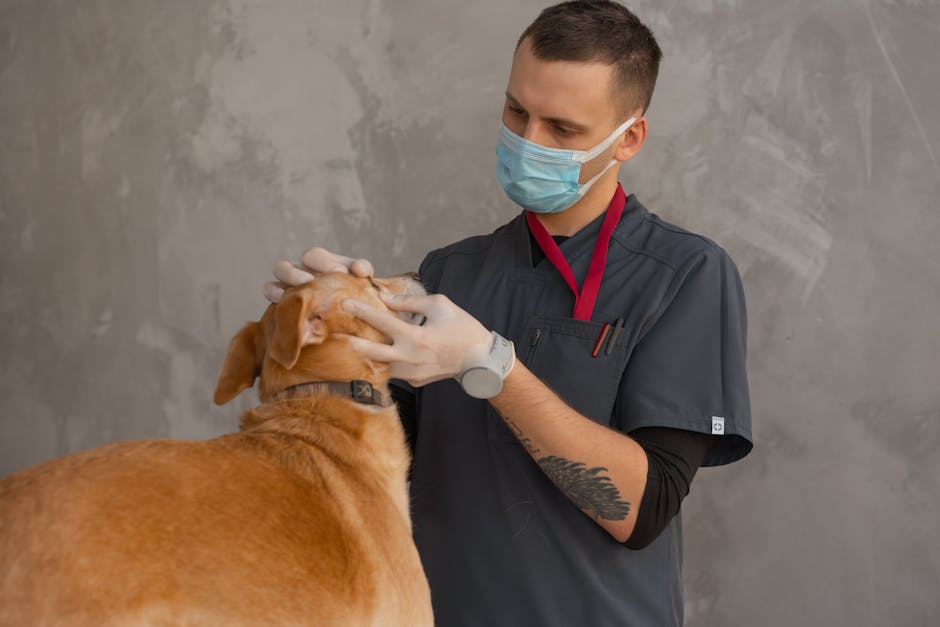
Yeast-related allergies have a distinct profile. You will notice a yeasty, musty smell on the skin, dark brown waxy debris in the ears, and sometimes blackened, thickened skin in the armpits or groin. These cases often need specific probiotic strains that compete with yeast overgrowth, sometimes alongside antifungal treatment. Bacterial skin infections, by contrast, tend to produce pus, crusting, and a sharper odor.
One critical note: before assuming a supplement will fix the problem, rule out parasites like mites and primary skin infections with your veterinarian. Probiotics support healing, but they cannot replace a needed antibiotic or antifungal when an active infection is present.
The Science of Probiotics for Allergies (What the Research Really Says)
Probiotics for dogs are live beneficial bacteria that, when given in adequate amounts, support gut health and help modulate the immune system. They do not simply improve digestion. They interact with immune cells in the gut-associated lymphoid tissue, which makes up roughly 70 percent of the body's immune system. By calming inflammatory responses at this level, the right probiotics can reduce the systemic overreactions that show up as itchy skin and inflamed ears.
Not all probiotic strains are created equal, and strain specificity is everything. The strains with the most evidence for helping allergies and inflammation in dogs include Bifidobacterium animalis (particularly strain AHC7, which has been studied for diarrhea and immune support), Enterococcus faecium (SF68), Lactobacillus acidophilus, and Bacillus coagulans. Each strain has a different job. Some compete directly with pathogenic bacteria and yeast. Others produce short-chain fatty acids that strengthen the gut lining. A few directly signal immune cells to shift from a pro-inflammatory to an anti-inflammatory state.
Here is where the industry gets troubling. A landmark study published in the Canadian Veterinary Journal found that 73 percent of veterinary probiotics failed to meet their own label claims for potency. Only 27 percent of the 25 products tested had both accurate labels and contents that matched what was promised. Even more alarming, 32 percent of the product labels contained spelling errors, a red flag for quality control that should make any pet owner pause. You are not just choosing between brands. You are navigating a market where most products do not contain what they claim.
When probiotics are formulated correctly, the results can be remarkable. Visbiome Vet, a high-potency probiotic, demonstrated a 90 percent survival rate in parvovirus cases compared to 70 percent without probiotics. That is a life-saving difference. But an ineffective probiotic, one with dead bacteria or the wrong strains, is simply a waste of money and time your dog does not have.
One honest caveat: long-term safety data for chronic probiotic use in dogs is limited. We do not have robust studies on dependency, on what happens when dogs stop taking them abruptly, or on interactions with common medications like antibiotics, steroids, and allergy drugs like Apoquel. Probiotics are generally safe, but chronic use should always be discussed with your veterinarian, especially if your dog is on other therapies.
Why Omega-3s Are the Only Supplement with Peer-Reviewed Proof
If you take one fact from this guide, let it be this: omega-3 fatty acids are the only supplement category with consistent, peer-reviewed evidence for treating canine allergies. Not probiotics. Not quercetin. Not colostrum. Omega-3s stand alone in the research literature.
The clinical trials that demonstrate benefit use daily doses of 50 to 220 mg of EPA (eicosapentaenoic acid) per kilogram of body weight. For a 50-pound dog, that translates to roughly 1,100 to 5,000 mg of EPA daily. Now compare that to many commercial allergy chews, which often contain only 5 to 10 percent of that dose. The gap between what works and what is sold is enormous.
Omega-3s work through a different mechanism than probiotics. They are directly anti-inflammatory, reducing the production of inflammatory cytokines and competing with pro-inflammatory omega-6 fatty acids in cell membranes. Probiotics work more slowly by reshaping the gut ecosystem and retraining the immune system. They are complementary, not interchangeable, and the strongest allergy protocols use both together.
What to Look for in the Best Probiotics for Dogs with Allergies (The Buyer’s Checklist)
Strain transparency is non-negotiable. The label must list specific strains with their full names, such as Lactobacillus acidophilus or Bifidobacterium animalis AHC7. Vague terms like "proprietary probiotic blend" without strain identification are a red flag. You cannot evaluate what you cannot identify.
CFU count matters, and for allergies, the therapeutic range is 1 to 10 billion CFU per serving for most adult dogs. Smaller dogs may do well at the lower end, while larger breeds often need the higher end. Avoid products that only state "CFU at time of manufacture." Probiotic bacteria die over time, especially in warm or humid conditions. Look for brands that guarantee potency through the expiration date, not just at the moment of production.
Delivery form affects both compliance and efficacy. Powders mixed into food and soft chews tend to be the most practical and effective. Capsules can be difficult to dose accurately for different-sized dogs, and many dogs resist swallowing them. Plain yogurt or kefir is fine for maintenance in healthy dogs but lacks the potency and specific strains needed for therapeutic allergy support.
Beware the "kitchen sink" trap. Many allergy supplements list 15 or 20 ingredients to look impressive on the label, but each one appears at a tiny fraction of a clinically meaningful dose. A product with 700 mg of colostrum when research supports 10,000 to 40,000 mg daily is not a bargain. It is a distraction. Choose products that dose a few key ingredients properly rather than sprinkling trace amounts of everything.
Third-party testing separates responsible manufacturers from the rest. Look for the NASC (National Animal Supplement Council) seal, which indicates the company follows quality guidelines and submits to audits. Even better are brands that publish third-party potency assays, proving that what is on the label is in the product.
Ingredient Showdown: Probiotics vs. Quercetin vs. Colostrum vs. Pumpkin
Probiotics are the long game. They work by restoring balance to the gut microbiome and retraining the immune system over time. Visible improvements in itching and stool quality typically take 2 to 4 weeks, with full immune modulation requiring 6 to 8 weeks. They are not a quick fix, but they address the root cause in a way that antihistamines and steroids cannot.
Quercetin, sometimes called "Nature's Benadryl," is a bioflavonoid found in apples, berries, and onions. It works by stabilizing mast cells, the immune cells that release histamine and trigger the itching cascade. Quercetin acts relatively quickly and is particularly useful during seasonal flare-ups. However, it is not a standalone solution. It manages symptoms without correcting the underlying immune dysregulation, so it pairs best with probiotics and omega-3s.
Colostrum is the nutrient-rich first milk produced by mammals after giving birth, and it is packed with immunoglobulins that support immune health. The problem is dosing. Research-backed benefits come at 10,000 to 40,000 mg per day for a medium to large dog. Most commercial chews contain around 700 mg per serving. At that dose, you would need 14 to 57 chews daily to reach a therapeutic level, which is neither practical nor affordable. Colostrum is a valuable ingredient, but only when dosed properly.
Pumpkin plays a supporting role. It is rich in soluble fiber that acts as a prebiotic, feeding the beneficial bacteria in the gut and improving stool quality. Pumpkin does not directly treat allergies, but it creates the environment where probiotics can thrive. Think of it as fertilizer for the garden you are trying to grow.
The winning combination for most allergic dogs is a probiotic plus omega-3s plus quercetin. This trio provides immediate symptom relief from quercetin, direct anti-inflammatory action from omega-3s, and long-term immune modulation from probiotics. Products that combine all three at meaningful doses save you from buying and administering multiple separate supplements.
Top Vet-Recommended Probiotics for Dogs with Allergies (2026 Update)
Purina Pro Plan FortiFlora remains the most widely recommended probiotic in veterinary clinics across the country. It is research-backed, highly palatable, and proven effective for acute diarrhea and general gut health. It contains Enterococcus faecium SF68, a strain with solid evidence for gastrointestinal issues. However, FortiFlora is primarily a digestive health product. It is not specifically formulated for chronic allergies, and it lacks the additional strains and anti-inflammatory ingredients that allergic dogs often need.
Visbiome Vet is the high-potency heavyweight. Originally developed for human use and adapted for veterinary medicine, it contains eight strains at concentrations far exceeding most competitors. The parvovirus survival data speaks for itself. For dogs with severe gut dysbiosis linked to allergies, Visbiome is a powerful tool. The trade-offs are cost and convenience: it requires refrigeration and carries a premium price point.
Zesty Paws Probiotic has become a strong consumer favorite, particularly for puppies and general maintenance. It features Bacillus coagulans, a spore-forming probiotic that survives stomach acid well, along with prebiotics and digestive enzymes. It is a solid choice for mild allergy support and everyday gut health, though dogs with severe or chronic allergies may need something more targeted.
Royal Canin Probiotics are formulated specifically for dogs with food sensitivities. They contain Enterococcus faecium and are designed to complement elimination diets and hydrolyzed protein foods. If your dog's allergies are primarily food-driven, this is a logical choice, though it is less focused on environmental allergy pathways.
Meadows & Mutts Allergy Support Chews were developed to bridge the gap between general probiotics and allergy-specific therapy. The formula combines targeted probiotic strains with quercetin, colostrum, and omega-3 fatty acids at doses that reflect the clinical research. Rather than sprinkling in 20 underdosed ingredients, the focus is on getting the key players right. If you are tired of piecing together multiple supplements and wondering if any of them are working, this is the approach worth exploring.
How to Introduce Probiotics to Your Dog (And What to Expect)
Start with a half dose for the first 3 to 5 days. Your dog's gut needs time to adjust to the influx of new bacteria, and jumping in at full strength can cause temporary loose stool or gas. This is normal and usually resolves within a few days. If it persists beyond a week, drop the dose further or consult your vet.
Always administer probiotics with food, not on an empty stomach. Food buffers stomach acid and improves the survival rate of the bacteria as they travel to the intestines. Mixing a powder into a small amount of wet food or wrapping a chew in a treat both work well.
Set realistic timeline expectations. Most dogs show noticeable improvement in itching and stool quality within 2 to 4 weeks. Full immune modulation, where the gut-skin axis has genuinely shifted toward a less reactive state, takes 6 to 8 weeks. This is not a one-and-done intervention. Consistency matters.
If symptoms worsen after starting a probiotic, stop immediately and contact your veterinarian. Some dogs, particularly those with small intestinal bacterial overgrowth (SIBO), may react poorly to additional bacteria. This is uncommon but worth knowing about. A vet can help determine whether probiotics are appropriate or if a different approach is needed.
Frequently Asked Questions About Probiotics for Dog Allergies
Can probiotics cure my dog's allergies? No. Allergies are a chronic condition rooted in genetic and environmental factors. Probiotics manage symptoms and support immune health, but they are a management tool, not a cure. Think of them the way you would think of a healthy diet for a person with asthma: essential for long-term wellness, but not a replacement for targeted medical care when needed.
Are human probiotics safe for dogs? Generally no. The strains and doses that benefit humans are not the same as those studied in dogs. The canine gut microbiome has its own composition and needs. Stick to veterinary-specific formulas unless your veterinarian advises otherwise.
How many CFUs does my dog need for allergies? The therapeutic range for most adult dogs is 1 to 10 billion CFU per day. Small dogs under 20 pounds may do well with 1 to 3 billion, while large breeds over 60 pounds often benefit from 5 to 10 billion. More is not always better. Strain identity and viability matter more than raw numbers.
Can I give my dog yogurt for probiotics? Plain, unsweetened yogurt is safe as an occasional treat, but it lacks the potency and specific strains needed to treat allergies. Most yogurts contain 1 to 2 billion CFU per serving at best, and the strains are typically human-focused. It is a nice snack, not a therapy.
Will probiotics help with yeast infections? Yes, but strain selection is critical. Lactobacillus acidophilus and Bifidobacterium animalis are known to compete with yeast and can help reduce overgrowth. However, established yeast infections often require concurrent antifungal treatment. Probiotics alone may not be enough to clear a severe case.
Final Verdict: What’s the Best Probiotic for Your Dog’s Allergies?
Finding the right probiotic comes down to a three-step process. First, work with your vet to identify the allergy type. Environmental, food, and yeast-driven allergies respond to different approaches, and guessing wastes time. Second, choose a product with transparent labeling and clinically meaningful doses. If the label does not tell you exactly which strains are inside and how much, put it back on the shelf. Third, commit to a 4 to 8 week trial before judging results. The immune system does not reset overnight.
Remember the kitchen sink warning: more ingredients does not equal better results. A product with five ingredients at therapeutic doses will outperform a product with 20 ingredients at trace levels every time. Dosing matters more than variety, and honesty matters more than marketing.
If you are tired of guessing and ready to try a formula built around the standards outlined in this guide, the Meadows & Mutts Allergy Support Chews combine targeted probiotics, quercetin, colostrum, and omega-3s at doses that reflect the research. See if they are right for your dog. Save this guide, share it with your veterinarian, and make your next purchase an informed one. Your dog's relief is worth getting it right.